
Why Your Pacific Crest Purifier Choice Can Make or Break Your Thru-Hike
Making the right Pacific Crest purifier choice is one of the most important gear decisions you’ll make before stepping onto the trail at the Mexican border.
Quick Answer: Best Water Purifiers for the PCT
| Purifier Type | Best For | Weight | Flow Rate |
|---|---|---|---|
| Sawyer Squeeze | Thru-hikers, all sections | 3 oz | 1.7 L/min |
| Platypus QuickDraw | Fast flow, clear sources | 3.3 oz | 3 L/min |
| Katadyn BeFree | Clear mountain streams | 2.3 oz | 3 L/min |
| Aquamira Drops | Backup, virus protection | 3 oz | N/A (chemical) |
| Platypus GravityWorks | Groups, hands-free | 11.5 oz | ~1.75 L/min |
The PCT covers 2,650 miles of wildly different terrain – from scorching Southern California desert cow tanks to silty Sierra snowmelt to the lush forests of Washington. Each section throws different water challenges at you.
And those challenges are real. Thru-hikers have contracted Giardia on the trail, forcing days off with vomiting and diarrhea. Others have arrived at marked water sources only to find them completely dry, forcing long detours to find the next available source.
The good news? With the right purifier and a solid strategy, you can hike the full 2,650 miles without a single water-related illness. Survey data from PCT thru-hikers backs this up – hikers using reliable hollow fiber filters consistently report zero waterborne illness across thousands of trail miles.
This guide breaks down exactly what you need to know to pick the right purifier for your hike, your budget, and your style.

Understanding Waterborne Threats and Filtration Needs
When we talk about the Pacific Crest purifier choice, we aren’t just talking about making water taste better; we are talking about biological safety. The PCT presents a gauntlet of microscopic threats that can end a thru-hike faster than a blister.
The Big Three: Giardia, Cryptosporidium, and Bacteria
The most common culprits on the trail are protozoa and bacteria. Giardia and Cryptosporidium are hardy parasites often found in water contaminated by animal or human waste. On the PCT, this is a significant risk due to cattle grazing in the Southern California desert and high hiker density in popular camping spots.
Bacteria like E. coli and Salmonella are also prevalent. These “critters” are large enough to be caught by most mechanical filters. For more details on these types of devices, you can read about the best portable water filters for hiking.
The Emerging Risk: Norovirus
While traditional filters are excellent at removing 99.99% of bacteria and protozoa, they do not typically remove viruses. Norovirus is an increasing concern on long-distance trails. However, it’s important to note that Norovirus in the backcountry is almost always a result of poor human hygiene—hikers not washing their hands after using the “privy”—rather than the water source itself. Because viruses are so small, a standard 0.1-micron filter won’t catch them, which is why hand sanitation is just as critical as your Pacific Crest purifier choice.
Agricultural Runoff and Desert Realities
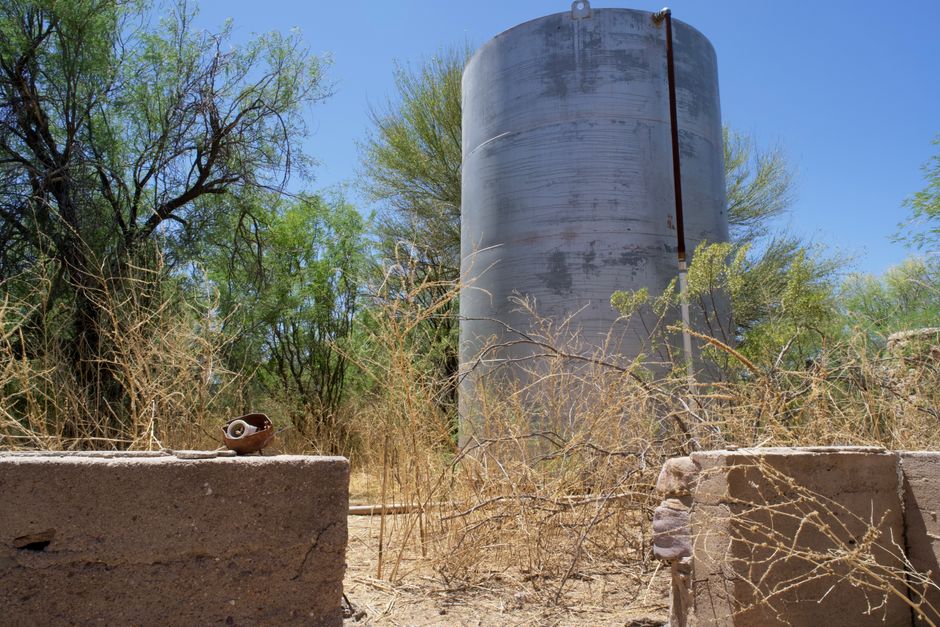
In the desert sections, your water source might be a “guzzler” (a man-made rainwater collector for wildlife) or a cow tank. These sources are often stagnant, brown, and filled with “floaties.” While a filter will remove the biological hazards, it won’t remove chemical pesticides or heavy metals. Fortunately, these are rarely found in high enough concentrations on the PCT to cause acute illness, but the psychological hurdle of drinking “cow soup” is real!
Comparing the Top Pacific Crest Purifier Choice Options
Choosing the right device involves balancing speed, weight, and how much “work” you want to do at the water’s edge. Most PCT hikers opt for hollow fiber membrane filters because they offer instant results without the wait time of chemicals.
Compact Squeeze Filters
The Sawyer Squeeze is the undisputed king of the PCT. According to hiker surveys, over 57% of thru-hikers use this specific model. It is prized for its longevity—rated for up to 100,000 gallons (or 3 million liters)—which effectively means it can last your entire life, let alone one thru-hike. It fits perfectly on standard 28mm threaded bottles like Smartwater bottles, which are the unofficial “official” water bottle of the PCT.
Fast Flow Filters
If you value speed above all else, the Platypus QuickDraw and Katadyn BeFree are top contenders. Both offer flow rates of up to 3 liters per minute when new. The QuickDraw is particularly popular because it also features a 28mm thread, allowing it to pair with various bottles and reservoirs. The BeFree uses a proprietary wide-mouth flask, which offers an incredibly easy drinking experience but limits your storage options.
Durable Hollow Fiber Filters
When evaluating the best lightweight water purifiers for hiking, durability is key. Hollow fiber filters work by forcing water through tiny “straws” with microscopic pores.
- 0.1 Micron Absolute: Used by Sawyer, these block everything larger than 0.1 microns, including 100% of microplastics.
- 0.2 Micron: Used by Platypus and Katadyn, these offer a faster flow rate but theoretically allow slightly smaller particles through (though still safe for bacteria and protozoa).
Factors Influencing Your Pacific Crest Purifier Choice
Before you pull the trigger on a purchase, consider these logistical factors that only become apparent after a few hundred miles on trail.
- Weight: Every ounce counts when you’re climbing 3,000 feet in the heat. Most squeeze filters weigh between 2 and 3.5 ounces.
- Cost and Lifespan: A Sawyer Squeeze costs about $40 and lasts forever if maintained. A Katadyn BeFree costs about $45 but the filter element often needs replacing after 1,000 liters as the flow rate drops significantly.
- Thread Compatibility: The ability to screw your filter directly onto a lightweight plastic bottle is a game-changer. This is why many hikers avoid the Sawyer Mini—while lighter, its flow rate is notoriously frustrating.
- Silt Management: Glacial melt in the Cascades and silty runoff in the desert can clog a filter in minutes. Understanding how to choose the best portable water filter for your hiking needs involves looking at how easy a filter is to “backflush” (clean) in the field.
Making the Final Pacific Crest Purifier Choice for Your Hiker Type
Every hiker has a different “flavor” of adventure. Here is how we recommend choosing based on your style:
- The Ultralight Soloist: Stick with the Sawyer Squeeze. It’s the gold standard for a reason. Pair it with two 1-liter Smartwater bottles and a 2-liter CNOC Vecto bladder for dirty water storage.
- The Group Hiker: If you are hiking in a “bubble” of friends, a gravity system like the Platypus GravityWorks is a dream. You can hang 4 liters of water from a tree and let gravity do the work while you set up camp. It’s heavier (11.5 oz), but the weight can be split among the group.
- The Trail Runner: For those covering 30+ miles a day with minimal gear, the Katadyn BeFree is excellent. You can scoop and drink from clear streams in seconds.
- The International Traveler: If you are coming from overseas to hike the PCT, you might prefer a system that handles viruses just in case. However, for the PCT, a standard filter is usually sufficient.
Recommended Backup Methods Never rely on a single point of failure. We always recommend carrying a backup:
- Chemical Drops (Aquamira): Two-part chlorine dioxide drops. They kill everything, including viruses, and don’t clog. Great for “science experiment” vibes.
- Chemical Tablets: Potable Aqua or Katadyn Micropur. Light, but they can leave a pool-like taste and take 30 minutes to 4 hours to work.
- Boiling: The most effective method, but it uses precious fuel. Best saved for emergencies or when you’re already making cocoa.
- UV Treatment: Devices like the Steripen are cool but rely on batteries, which can fail in the cold of the High Sierra.
Maintenance, Storage, and Cold Weather Care
Your Pacific Crest purifier choice is only as good as your maintenance routine. A clogged filter is just a heavy plastic rock.
The Art of the Backflush
Backflushing involves forcing clean water backward through the filter to push out trapped sediment. With a Sawyer, you use a large syringe. With a QuickDraw, you can perform a “shake” clean. If you’ve been filtering from a murky cow tank, you might need to backflush every few liters to maintain a decent flow.
The “Sleeping Bag” Rule
This is the most important tip for the Sierra Nevada and Washington: Never let your filter freeze. Hollow fiber filters contain water in those tiny “straws.” If that water freezes, it expands and cracks the fibers. The filter will still “work” (water will pass through), but it will no longer be removing pathogens. In sub-freezing temperatures, tuck your filter into a Ziploc bag and keep it in your sleeping bag or an internal jacket pocket.
Pre-Filtering and Silt
To extend the life of your filter, use a “pre-filter.” A simple bandana or a buff stretched over the mouth of your dirty water bottle can catch large chunks of algae, dirt, and “sea monkeys” before they ever hit your expensive filter. This is a must-have portable water filter for frequent backpackers skill.
Water Storage Solutions
Your filter needs a partner. Most PCT hikers use:
- Smartwater Bottles: Durable, lightweight, and fit in side pockets perfectly.
- CNOC Vecto Bladders: These have a wide opening for easy scooping in shallow puddles and a 28mm thread that fits Sawyer and QuickDraw filters.
- Capacity: In the desert, you may need to carry 6 to 7 liters of water for a “dry stretch.” Ensure your storage system can handle this volume even if your filter is small.
Frequently Asked Questions about PCT Water Treatment
Do I need a purifier for viruses on the PCT?
Generally, no. In North America, the primary threats are protozoa and bacteria. A “purifier” (which kills viruses) is usually overkill and often involves heavier equipment or chemical tastes. However, if there is a known Norovirus outbreak at a specific shelter or trail town, using chemical drops as a secondary treatment is a smart move.
How do I prevent my filter from freezing in the High Sierra?
As mentioned, sleep with it! If you forget and it freezes, you must replace it. There is no way to visually inspect most filters for internal damage. The Platypus QuickDraw is one of the few that has a built-in “integrity test” to check for damage, which is a huge plus for shoulder-season hikers.
How often should I backflush my filter on the trail?
We recommend backflushing at least once a day, or immediately after filtering from a particularly sediment-heavy source. If you notice the flow rate slowing down—if it feels like you’re trying to squeeze a milkshake through a straw—it’s time to clean it.
Conclusion
At Total Cobre, we know that your Pacific Crest purifier choice is about more than just gear—it’s about the peace of mind that allows you to enjoy the sunset over the San Jacinto mountains without worrying about your stomach.
Whether you choose the “bombproof” Sawyer Squeeze, the lightning-fast Platypus QuickDraw, or the ultralight Katadyn BeFree, the key to success is consistency. Treat every source, maintain your equipment, and keep your filter warm during those chilly Sierra nights.
Your hydration strategy is the fuel for your 2,650-mile journey. Choose wisely, stay hydrated, and we’ll see you at the Northern Terminus!
