
Do You Really Need a UV Filter in Your Backpack?
A UV filter backpack essential covers two distinct but equally important needs for outdoor adventurers: protecting your camera lens from scratches, haze, and UV damage, and purifying drinking water from backcountry sources.
Here’s a quick answer based on your situation:
| Your Need | Is a UV Filter Essential? | Best Option |
|---|---|---|
| Camera lens protection on trails | Yes, especially at altitude | Multi-coated UV lens filter |
| Drinking water safety (clear sources) | Yes | UV purifier like Katadyn Steripen Ultra |
| Drinking water from murky streams | UV alone is not enough | Pre-filter + UV purifier |
| International or virus-risk travel | Strongly recommended | UV purifier or MSR Guardian |
| Solo ultralight hiking | Great fit | UV wand (4.9 oz, 90 sec/liter) |
| Group camping | Less ideal alone | Pair with gravity filter |
The short answer: yes, UV technology belongs in most backpacks – but knowing which type you need, and when it falls short, makes all the difference.
UV lens filters shield your glass from the physical and atmospheric abuse of trail life. UV water purifiers destroy bacteria, protozoa, and viruses in as little as 90 seconds without chemicals. Both are lightweight, and both solve real problems hikers face every single day in the backcountry.
But neither is perfect on its own. UV water purifiers struggle in murky water. UV lens filters won’t help if your drinking water is contaminated. Understanding the limits is just as important as knowing the benefits.
Why a UV Filter is a Backpack Essential for Rugged Terrain
When we head into the wild, we aren’t just walking through a park; we are exposing our expensive gear to the elements. Whether it’s the grit of a desert wind or the salt spray of a coastal trek, your camera equipment is under constant siege. This is where a high-quality UV filter becomes a uv filter backpack essential.
Think of a UV filter as a sacrificial piece of glass. If a stray branch swipes your lens or a rock kicks up from a fellow hiker’s boot, you’d much rather replace a $50 filter than a $1,000 lens. Beyond impact protection, these filters act as a permanent moisture and dust barrier. In rugged terrain, cleaning your lens frequently can lead to micro-scratches on the delicate front element coating. By using a UV filter, you’re wiping the dirt off the filter, not the lens itself.
Furthermore, ultraviolet light is more than just an invisible ray; it can actually impact the health and safety of your trip in ways you might not expect. From protecting your gear to ensuring your hydration is safe, harnessing UV light for safe backpacking trips is a strategy we highly recommend for any serious explorer.
Is a UV Filter Backpack Essential for High-Altitude Treks?
The higher you go, the thinner the atmosphere becomes. This reduction in atmospheric density means UV rays are significantly stronger at 10,000 feet than they are at sea level. For photographers, this often manifests as a blueish tint or “atmospheric haze” that can soften the details of a breathtaking mountain vista.
A uv filter backpack essential for high-altitude use helps cut through this haze, restoring clarity and color balance to your images. Beyond the aesthetics, the increased UV radiation can potentially degrade the internal components of your camera’s sensor over years of extreme exposure. By filtering out these rays before they enter the lens barrel, you are effectively extending the longevity of your digital investment.
Selecting the Right UV Filter Backpack Essential for Your Kit
Not all glass is created equal. If you put a cheap, low-quality filter on a professional-grade lens, you will see a drop in image quality. When selecting your uv filter backpack essential, we look for three main technical specs:
- Multi-Coating: High-end filters feature multiple layers of nano-coatings that reduce reflectance to less than 0.15% and ensure light transmission stays above 99%. This prevents “ghosting” and lens flare when shooting toward the sun.
- Glass Durability: Look for ionically tempered glass. Some leading options are up to 600% stronger than standard glass, making them virtually shatter-proof.
- Frame Material: We prefer aerospace-grade aluminum frames. They are lightweight, warp-resistant, and feature ultra-slim profiles to prevent vignetting (dark corners) on wide-angle lenses.
The Dual Role of UV Technology: Lenses and Water Safety
While “UV filter” usually brings photography to mind, the term is equally vital when discussing water purification. In the backcountry, UV-C light (short-wavelength ultraviolet) is a game-changer for hydration. Unlike mechanical filters that strain out bugs, UV light works on a molecular level.
By disrupting the DNA of microorganisms, UV-C light ensures that bacteria, protozoa, and viruses cannot reproduce. If they can’t reproduce, they can’t make you sick. This is a critical distinction because many popular “squeeze” filters do not remove viruses, which are much smaller than bacteria.
For those looking to dive deeper into how this technology keeps you out of the hospital, we recommend checking out how UV purification systems enhance your health on hikes. The science is robust: research shows UV light is highly effective at neutralizing pathogens that chemical treatments might miss or take hours to kill.
Understanding UV Water Purifiers
A UV water purifier, like the Katadyn Steripen Ultra, is a portable wand that you stir in your water bottle. It’s a uv filter backpack essential for those who value speed and comprehensive protection.
- Speed: It treats one liter of water in just 90 seconds. Compare that to chemical tablets like Katadyn Micropur, which can take up to 4 hours to kill Cryptosporidium.
- Weight: At roughly 4.9 oz, it’s lighter than most pump-style purifiers.
- Simplicity: There are no hoses to clog and no bags to squeeze. You simply turn it on, stir, and drink.
This technology is particularly useful for international travel where viral contamination in tap water is a concern. We’ve found that merging convenience and efficiency with UV purifiers allows us to spend more time hiking and less time crouching by a stream.
Comparing UV to Squeeze and Gravity Filters
To decide if a UV purifier is your specific uv filter backpack essential, you need to see how it stacks up against the competition:
- Squeeze Filters (e.g., Sawyer Squeeze): These are the gold standard for many thru-hikers. They are incredibly light (3 oz) and have a massive lifetime volume (up to 100,000 gallons). However, they don’t kill viruses and can clog in silty water.
- Gravity Filters (e.g., Platypus GravityWorks): Excellent for groups. You fill a bag, hang it, and let gravity do the work. Like squeeze filters, they usually lack virus protection unless they are specifically rated as “purifiers.”
- UV Purifiers: They offer the most comprehensive protection (bacteria + protozoa + viruses) but do not remove sediment. If your water is muddy, you’ll be drinking “purified mud.”
Evaluating the Effectiveness of UV Purification Systems
We’ve put these systems through the wringer, and the data is clear. In clear water, a UV purifier has a 99.9% kill rate against the “big three” backcountry threats: Giardia, E. coli, and Cryptosporidium.
For most hikers in the US and Canada, a standard filter like the Katadyn BeFree is sufficient. But if you are hiking in areas with heavy livestock presence or traveling to regions with poor sanitation, the virus-killing power of UV makes it an absolute uv filter backpack essential.
Performance in Real-World Conditions
In our testing, the Katadyn Steripen Ultra treated about 50 liters per charge. That’s plenty for a week-long solo trip. However, performance can vary based on:
- Battery Life: Lithium-ion batteries perform better in the cold than alkalines, but all batteries lose punch in freezing temperatures. We recommend sleeping with your UV wand in your sleeping bag to keep the battery warm.
- Treatment Capacity: Most UV lamps are rated for 8,000 to 10,000 treatments. For the average hiker, that’s a lifetime of clean water.
- Ease of Use: The “stirring” method is easy, but you must ensure the light reaches the entire volume of water. Using a wide-mouth Nalgene makes this much easier than trying to fit a wand into a narrow SmartWater bottle.
Limitations and When to Use Backups
The biggest “gotcha” with UV technology is turbidity. UV light needs to reach the DNA of the pathogen to work. If the water is full of dirt, silt, or “floaties,” the pathogens can literally hide behind the particles, escaping the light.
As per manufacturer guidelines, UV should not be used on water murkier than “light lemonade.” If you are facing muddy water, you must pre-filter. We often carry a small piece of pantyhose or a bandana to strain out the big stuff before using the UV wand.
Because electronics can fail and batteries can die, we always carry a backup. A few Katadyn Micropur tablets weigh almost nothing and can save your trip if your wand stops working. For more tips on handling difficult sources, see our guide: don’t drink the mud!
Maximizing the Lifespan of Your UV Filter Backpack Essential
Whether it’s your lens filter or your water purifier, maintenance is the key to longevity. A uv filter backpack essential is only useful if it works when you need it.
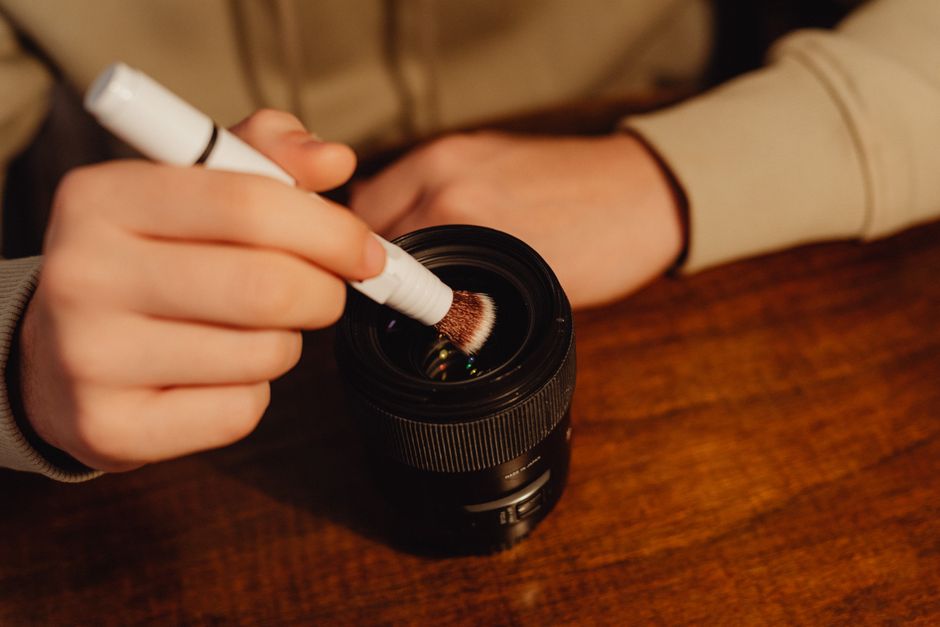
For lens filters, keep a micro-fiber cloth and a small bottle of lens cleaner in your pack. Avoid using your shirt to wipe the glass, as sweat and grit can actually be abrasive.
For UV water purifiers, the lamp is the most fragile part. Most come with a protective case—use it! Dropping a Steripen on a rock is a quick way to end up with a very expensive, non-functional glow stick. We also recommend maximizing efficiency by following specific usage protocols to ensure you get the most out of every battery charge.
Best Practices for the Backcountry
- Avoid Cross-Contamination: This is the most common mistake. If you dip your Nalgene into a “dirty” stream, the threads of the bottle are now contaminated. After you treat the water inside, those threads can still make you sick when you take a sip. Always wipe the threads dry or use a dedicated “dirty” bag to pour water into your “clean” bottle.
- Pre-Filtering: Even if the water looks clear, using a pre-filter extends the life of your gear. It prevents small scratches on your UV wand’s glass and keeps your drinking experience pleasant.
- Solar Charging: If you’re on a long trip (10+ days), a small solar panel can keep your UV purifier topped off. Since most modern units charge via USB, they integrate perfectly with a standard power bank setup.
Troubleshooting Common Issues
- Battery Failure: If the unit won’t turn on, it’s usually the battery. In cold weather, warm the unit against your body for 15 minutes.
- Indicator Lights: Most UV purifiers use a system of red and green lights to signal success or failure. A blinking red light often means the sensors didn’t detect water or the lamp didn’t stay submerged.
- Glass Cleaning: If the UV lamp glass gets a film of minerals or dirt, its effectiveness drops. Wipe it down with a damp cloth (using purified water) regularly.
- Sensor Maintenance: UV wands have small metal sensors that tell the device it’s in water. If these get corroded or dirty, the device won’t fire. A quick scrub with a toothbrush usually fixes this.
Frequently Asked Questions about UV Filters
Are UV filters safe for drinking water?
Yes, absolutely. UV-C light is a non-chemical process. It doesn’t add anything to the water; it simply “deactivates” the harmful organisms. It has been used in municipal water treatment for decades. The only safety concern is looking directly at the bulb while it’s on, as UV-C light can damage your eyes (most devices have safety sensors to prevent this).
Do UV filters affect image quality?
A high-quality, multi-coated uv filter backpack essential will have no perceptible impact on image quality. In fact, by reducing atmospheric haze at high altitudes, it often improves clarity. However, cheap, uncoated filters can cause flare and reduced contrast.
How long do UV purification bulbs last?
Most modern UV water purifiers are rated for 8,000 to 10,000 cycles. If you treat 4 liters of water a day, every single day, the bulb would last you over five years. For the casual backpacker, the battery or the electronic casing will likely wear out long before the bulb does.
Conclusion
At Total Cobre, we believe that adventure is better when you’re prepared. Integrating a uv filter backpack essential into your kit—whether for your camera or your canteen—is one of the smartest moves you can make. It protects your expensive photography gear from the harsh realities of the trail and ensures that every sip of water you take is free from invisible threats.
Clean water and clear photos are the foundations of a great trip. By choosing the right tools, maintaining them properly, and understanding their limitations, you can focus on the horizon instead of worrying about your gear. For more specialized guides and gear reviews for the adventurous hiker, stay tuned to Total Cobre. Safe travels, and we’ll see you on the trail!
