
Why Your Hiking Filter Needs Regular Cleaning
A hiking filter cleaning guide is something every backcountry hiker needs before heading out on the trail. Here’s the quick version of what proper filter maintenance involves:
Quick Hiking Filter Cleaning Checklist:
- Backflush your filter after every use (or whenever flow slows down)
- Sanitize with a diluted bleach solution (1 capful per liter of water) or chlorine dioxide tablets
- Soak in vinegar if you’ve been filtering hard or mineral-rich water
- Dry completely before storing for any extended period
- Store in a temperature-controlled space — never let a wet filter freeze
- Replace when flow doesn’t recover after cleaning
That crystal-clear mountain stream might look safe. But looks are deceiving. Invisible threats like Giardia, Cryptosporidium, and bacteria are present in many backcountry water sources — and your filter is the only thing standing between those pathogens and your gut.
The problem? Most hikers clean their filter never, or only when it stops working entirely.
A clogged, contaminated, or freeze-damaged filter can fail silently. It still passes water. But it may no longer be protecting you.
Regular cleaning keeps your flow rate strong, your filter effective, and your trips safe. It also extends the life of your gear by years — which matters when a quality filter costs $40 to $400.
This guide walks you through every step of filter maintenance, from field backflushing to off-season storage.
Why You Need a Hiking Filter Cleaning Guide
We’ve all been there: you’re miles from the trailhead, parched, and you reach for your squeeze bag only to find that your once-speedy filter has slowed to a pathetic, agonizing drip. This isn’t just a nuisance; it’s a sign that the microscopic “fluvial zoo” of the backcountry is winning.
The primary reason to follow a hiking filter cleaning guide is to manage the three classes of waterborne pathogens:
- Protozoa (2–15 microns): Large parasites like Giardia and Cryptosporidium.
- Bacteria (0.2–8 microns): Medium-sized threats like E. coli and Salmonella.
- Viruses (0.02–0.1 microns): The smallest offenders, which often require purification rather than just standard filtration.
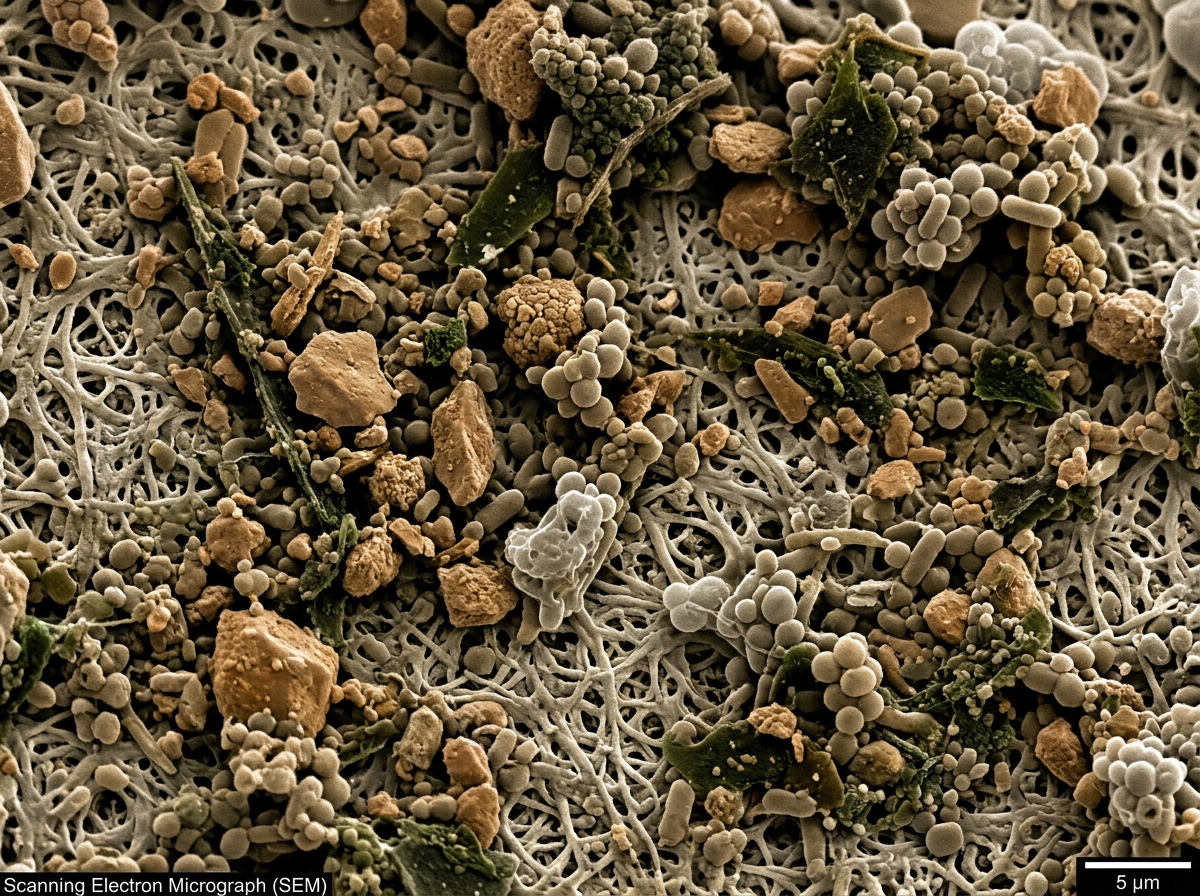
Most portable filters work on the principle of “size exclusion.” They feature hollow fiber membranes with an absolute pore size—often 0.1 microns. As you filter, these pores catch debris and pathogens. Over time, a “cake layer” of silt and organic matter builds up. If left uncleaned, this layer becomes a breeding ground for biofilm—a slimy, musty-smelling colony of microorganisms.
Furthermore, preventing cross-contamination in your water filters is vital. If the “dirty” side of your gear touches the “clean” side, or if you handle your clean water bottle after touching raw stream water, the best filter in the world won’t save you from a stomach bug. Proper maintenance ensures that the internal components remain a barrier, not a bridge, for disease.
How to Backflush Your Filter for Maximum Flow
Backflushing is the bread and butter of filter maintenance. It involves reversing the normal flow of water to physically eject the “cake layer” of sediment. To do this effectively, you need more than just a gentle rinse; you need turbulent flow and high shear stress.
Most modern filters come with a large cleaning syringe or a cleaning coupling. Using these tools allows you to exert significant pressure—sometimes exceeding 20 PSI—which is necessary to dislodge stubborn particulates.
The Standard Backflushing Procedure:
- Fill your syringe (or a clean plastic bottle if using a coupling) with clean, filtered water. Never use raw stream water for backflushing, as you’ll just be pushing more pathogens into the clean side of the filter.
- Attach the tool to the “clean” (output) side of the filter.
- Push forcefully. Don’t be timid. You want the water to blast through the fibers to lift the silt.
- Repeat until the water exiting the “dirty” side runs crystal clear.
When to Backflush in Your Hiking Filter Cleaning Guide
We recommend backflushing more often than the manufacturer might suggest. While some filters claim to last for 100,000 gallons, that rating assumes you’re filtering pristine water. In the real world, glacial silts and turbid pond water can “brick” a filter in just a few uses.
- In the Field: If you notice a drop in flow rate, stop and backflush immediately. It is much easier to remove a thin layer of silt than a thick, compacted one.
- After Every Trip: Even if the flow seems fine, how to maintain your filters for longevity and performance dictates a thorough backflush once you get home.
- Wetting Out: If your filter has been sitting and the fibers are dry, run some water through it in the normal direction first to “wet out” the membranes before you attempt to backflush. Dry fibers are brittle and can be damaged by sudden high pressure.
Sanitizing and Deep Cleaning Techniques
Backflushing removes dirt, but it doesn’t kill the invisible stuff. Over time, bacteria trapped in the filter can create a biofilm. This is why sanitization is a non-negotiable part of any hiking filter cleaning guide.
Additionally, if you frequently hike in areas with “hard water,” mineral calcification can occur. This is where dissolved calcium carbonate crystallizes inside the micro-tubes as the filter dries, effectively cementing the pores shut.
| Feature | Bleach Sanitization | Vinegar Descaling |
|---|---|---|
| Target | Biofilm, Bacteria, Mold | Calcium Deposits, Hard Water Scale |
| Solution | 1 capful fragrance-free bleach per 1L water | Undiluted white vinegar |
| Contact Time | 20–30 minutes | 30 minutes to 2 hours |
| Frequency | Before/After long-term storage | When flow remains slow after backflushing |
Sanitizing Steps in Your Hiking Filter Cleaning Guide
Sanitizing keeps your gear smelling fresh and prevents “shelf death”—the phenomenon where a filter works great on the trail but is completely clogged when you pull it out six months later.
- Prepare the solution: Use standard, fragrance-free household bleach. Mix one capful into a liter of clean water.
- Flush the filter: Push the solution through the filter using your syringe or a gravity bag.
- Wait: Let the solution sit inside the filter for about 20 to 30 minutes. This contact time is crucial for sanitation tips to maintain clean portable water gear while outdoors.
- Rinse: Flush the filter with plenty of clean water to remove the bleach scent.
- The Vinegar Option: If you suspect mineral buildup, soak the filter in white vinegar for an hour, then follow up with a hot water flush (no hotter than 140°F). The acetic acid in vinegar converts the calcium into water-soluble calcium acetate, which then washes away.
Off-Season Storage and Freeze Protection
How you store your gear during the winter determines if it will work in the spring. The biggest “filter killer” isn’t dirt—it’s ice.
Most modern filters use hollow fiber membranes. These are tiny, straw-like tubes. If there is water inside these tubes and the temperature drops below freezing, the water expands. This creates microscopic fractures in the fibers. The filter will still look fine and pass water, but those fractures are now large enough to let Giardia and E. coli slide right through.
Storage Best Practices:
- The Final Flush: Before putting the filter away, do a final backflush with distilled water. This prevents any minerals from your tap water from calcifying during the dry-out period.
- Air Drying: Allow the filter to air dry naturally in a warm, well-ventilated area for several days. Avoid direct sunlight, which can degrade the plastic.
- Temperature Control: Once dry, store your filter in a heated part of your home (like a closet or drawer), never in an unheated garage or shed.
- Winter Hiking Tip: If you are protecting water filters from freezing during winter hikes, keep your filter in an inside jacket pocket during the day and in your sleeping bag at night. If you suspect your filter has frozen even once, discard it. Your health is worth more than the cost of a replacement.
Frequently Asked Questions about Filter Maintenance
When should I replace my water filter cartridge?
Even with the best hiking filter cleaning guide, no filter lasts forever. You should replace your filter if:
- The flow rate is unrestorable: If you have backflushed, soaked in vinegar, and sanitized, but the flow is still a drip, the fibers are likely permanently compacted.
- It fails the “Bubble Test”: Fully saturate your filter, then try to blow air through the output side. If you can easily push air through or see a steady stream of bubbles, the internal fibers are broken.
- It has frozen or been dropped: Hard impacts or freezing temperatures can cause micro-fractures that are invisible to the eye.
- Components are degrading: Check gaskets and O-rings regularly. While these can often be replaced, how to maintain your filters for longevity and performance means knowing when the housing itself is compromised.
Can I boil my filter to clean it?
The short answer is: it depends on the material.
- Ceramic Filters: Some ceramic elements can be boiled to sanitize them.
- Hollow Fiber Filters: NEVER boil these. Most are made of polysulfone or similar plastics that will melt or deform. Generally, you should never expose these filters to water hotter than 140°F (60°C). Always check your specific manufacturer’s specifications before applying heat.
How do I prevent clogs while in the field?
The best way to clean a filter is to not get it dirty in the first place.
- Pre-filtering: Use a bandana, coffee filter, or a fine metal mesh to strain out large particulates before they ever reach your filter.
- Settling: If you have to take water from a murky source, fill a bucket or bladder and let the sediment settle for an hour before filtering from the top.
- Source Selection: Always look for flowing water or calm, deep pools rather than shallow, silty edges. Keeping water bottles clean during outdoor trips starts with picking the cleanest source available.
Conclusion
At Total Cobre, we believe that gear reliability is the foundation of every successful adventure. Your water filter is a high-performance tool that requires just a little bit of love to keep you safe and hydrated. By following this hiking filter cleaning guide, you aren’t just extending the life of your equipment—you’re ensuring that every sip you take on the trail is as pure as the wilderness intended.
Master these maintenance skills, keep your flow rate high, and head into the backcountry with confidence. For more expert reviews and specialized guides for adventurous hikers, check out more info about outdoor gear guides on our site. Safe travels and happy hydrating!
