
Why Your Group Needs a Dedicated Water Purifier
The best group camping water purifiers in 2026 are:
| Purifier | Best For | Capacity | Price |
|---|---|---|---|
| Platypus GravityWorks | Groups of 4-8, backpacking | 4L / 6L | ~$135 |
| MSR AutoFlow XL | Basecamps, large groups | 10L | ~$130 |
| Katadyn Pocket | Pump filter, 1-4 people | Unlimited (50,000L life) | ~$290 |
| RapidPure 9L Gravity | Groups needing virus protection | 9L | ~$102 |
| LifeStraw Community | Large groups, emergency prep | 50L | ~$545 |
Here’s the thing about water in the backcountry: it looks clean until it isn’t.
The World Health Organization links 80% of all travel diseases to contaminated drinking water. Streams and lakes that look crystal clear can carry Giardia, Cryptosporidium, E. coli, and other pathogens invisible to the naked eye.
For solo hikers, a small squeeze filter does the job. But for a group camping water purifier, the stakes are higher. You need enough clean water for cooking, drinking, and hygiene — for four, six, or even fifteen people — without spending half your trip pumping by hand.
The wrong system means slow flow, exhausted arms, or worse: sick campers miles from the nearest trailhead.

When we head out as a group, our water needs don’t just double; they explode. Between morning coffee for six, filling everyone’s 3L hydration bladders, and boiling a massive pot of pasta for dinner, a group can easily go through 30 to 50 liters of water a day. If you are relying on a single personal straw or a small squeeze bottle, you’ll spend your entire “relaxing” trip hunched over a stream bank.
Efficiency is the name of the game. A dedicated group camping water purifier allows for shared resources, meaning one person can manage the water supply for the entire camp in a fraction of the time. Beyond convenience, there is the safety factor. Understanding the Dangers of Bacteria and Protozoa in Natural Water Sources is vital because pathogens like Giardia and Cryptosporidium are highly resilient. In a group setting, cross-contamination happens fast; a single robust system reduces the “too many cooks in the kitchen” risk of someone accidentally dipping a dirty bottle into the clean pot.
Gravity vs. Pump: Choosing the Best Group Camping Water Purifier
Choosing between a gravity-fed system and a manual pump is the first big decision for any group leader. It’s essentially a choice between “set it and forget it” and “brute force reliability.”
| Feature | Gravity-Fed Systems | Manual Pump Filters |
|---|---|---|
| Effort | Hands-free; uses gravity | Requires physical pumping |
| Speed | High (1.75L+ per min) | Moderate (1L per min) |
| Weight | Often lighter (hollow fiber) | Heavier (metal/ceramic) |
| Turbid Water | Can clog faster | Easier to scrub/clean in field |
| Best Use | Basecamps, large groups | Small groups, silty water |
Gravity systems, like the Platypus GravityWorks or the MSR AutoFlow XL, are widely considered the Gravity-Fed Water Filters: The Perfect Solution for Group Camping Trips. You simply fill a “dirty” reservoir, hang it from a tree, and let physics do the work. While the water filters into a “clean” bag or bottle, you can be busy pitching tents or starting the fire.
On the other hand, high-end pump filters like the Katadyn Pocket are built like “steel bombs.” They are incredibly durable and can handle shallower or more awkward water sources where you can’t easily submerge a large bag. However, pumping 20 liters of water by hand is a legitimate workout that most of us would rather avoid after a 10-mile hike.
Capacity and Flow Rates of a Group Camping Water Purifier
When we talk about “capacity,” we’re looking at two things: how much water the bag holds at once and how fast it moves through the filter. For a group of 4+ people, we recommend a minimum of a 4L reservoir. Systems like the MSR AutoFlow XL offer a massive 10L capacity, which is a game-changer for basecamps.
Flow rate is equally critical. The Platypus GravityWorks boasts a flow rate of about 1.75 liters per minute. In real-world terms, that means you can have 4 liters of clean water ready in about 2.5 minutes. Compare that to a standard pump filter that averages 1 liter per minute of hard labor, and the winner for group efficiency is clear. For more on managing these volumes, check out our Tips for Group Hiking Hydration Systems.
Portability for Backpacking vs. Basecamp Use
Weight is the eternal struggle of the backpacker. A full group gravity system like the GravityWorks weighs in at roughly 11.5 oz—less than a single can of soda. Because the reservoirs are collapsible, they take up very little space in a pack.
Conversely, the Katadyn Pocket weighs about 20 oz. While heavier, its rugged construction is designed for extreme conditions and emergency preparedness. If you are car camping or setting up a long-term basecamp, weight matters less than durability. But for those of us carrying everything on our backs, the packability of hollow-fiber gravity systems is hard to beat. If you’re heading out soon, see our guide on Setting Up Gravity Water Filters at Campsites: A Comprehensive Guide.
Essential Filtration Standards for Group Safety
Not all filters are created equal. To ensure your group stays healthy, you need to understand what is actually being removed.
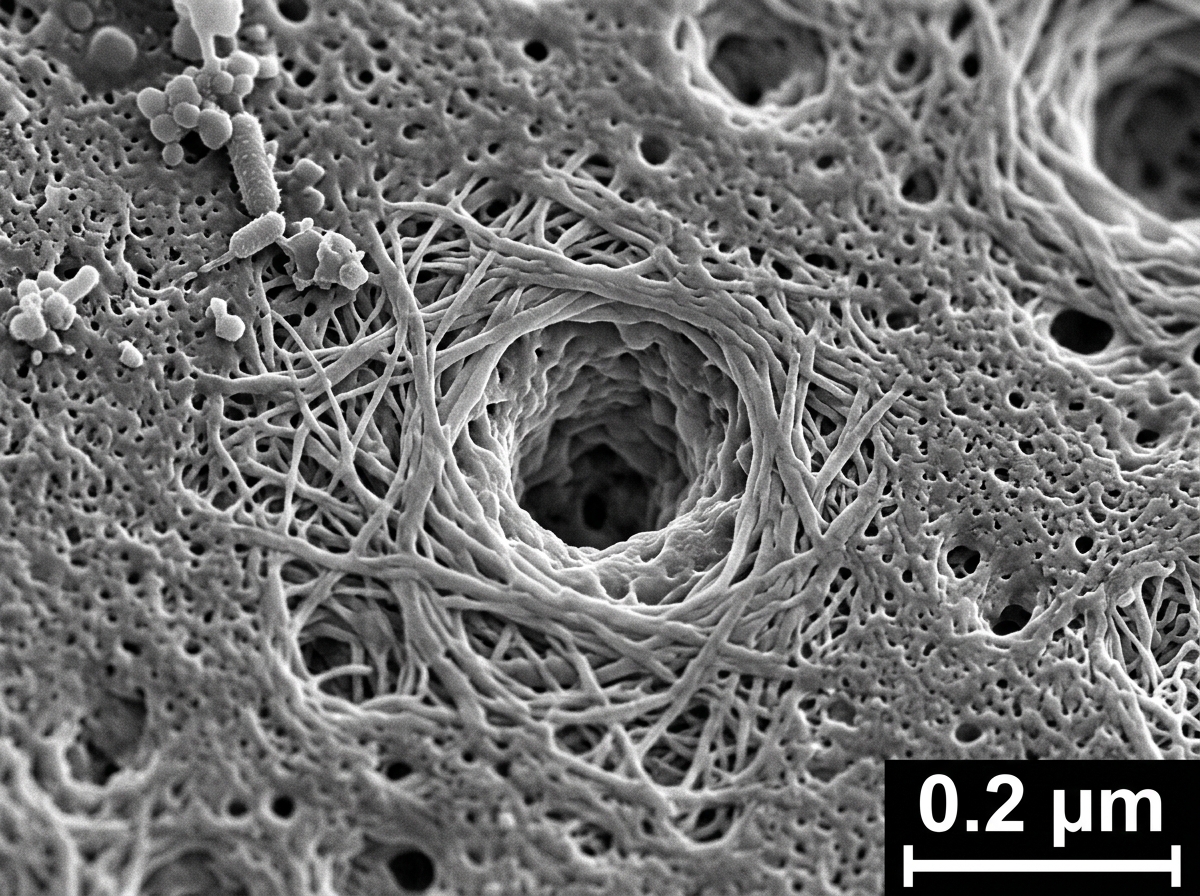
Most high-quality group camping water purifiers use hollow-fiber technology or ceramic elements with 0.2-micron pores. This is the “gold standard” for removing 99.9999% of bacteria (like E. coli and Salmonella) and 99.9% of protozoan cysts (like Giardia and Cryptosporidium).
However, if you are traveling internationally or to areas with high human waste density, you may need a purifier rather than just a filter. A purifier meets even stricter EPA standards and NSF Protocol P231, meaning it also inactivates viruses (like Hepatitis A and Rotavirus). Viruses are significantly smaller than bacteria, often requiring pores as small as 0.02 microns or chemical/UV treatment to neutralize.
Top-Rated High-Capacity Systems for Basecamps
For large scout troops, family reunions, or extended expeditions, “standard” gear won’t cut it. You need community-scale solutions.
The MSR AutoFlow XL is a beast for basecamps, offering 10 liters of storage. It uses a hollow-fiber membrane that is field-maintainable, making it a favorite for those who don’t want to carry multiple small filters.
If you need even more protection, the RapidPure 9L Gravity Purifier uses UltraCeram technology. Unlike standard filters, this system protects against viruses, bacteria, and parasites simultaneously. For the ultimate in high-volume safety, the LifeStraw Community is a 50L powerhouse designed for 100 people over several years. While it’s too heavy for a backpack (27 lbs), it’s the gold standard for emergency preparedness and fixed basecamps. You can find more details in our Gravity-Fed Water Filters: The Perfect Solution for Group Camping Trips guide.
Budget vs. Premium Group Camping Water Purifier Options
Price is often the deciding factor, but we like to look at the “cost per liter.”
- Budget Options (~$79 – $100): Systems like the Platypus QuickDraw or RapidPure offer great entry-level value. They are effective but may have shorter filter lifespans (around 200–1,000 gallons).
- Mid-Range (~$130 – $150): This is the sweet spot for most groups. The Platypus GravityWorks and MSR AutoFlow XL offer high flow rates and replaceable cartridges that last for about 1,500 liters.
- Premium (~$290 – $400): The Katadyn Pocket or MSR Guardian. These are “buy it for life” tools. The Katadyn Pocket’s silver-impregnated ceramic filter can process a staggering 50,000 liters. If you camp frequently, the high upfront cost eventually pays for itself in fewer replacement cartridges.
Field Maintenance and Long-Term Cost Efficiency
A filter is only as good as its maintenance. In the field, the biggest enemy of a group camping water purifier is “turbid” or silty water. Sediment can clog microscopic pores in minutes.
Most modern systems feature a “backflush” mechanism. For gravity filters, this usually involves holding the clean bag above the dirty bag for a few seconds to force clean water backward through the filter, pushing out trapped debris. The Katadyn Pocket uses a ceramic element that you can actually scrub with a cleaning pad to restore flow.
Pro-Tips for Longevity:
- Settle the Silt: If the water is muddy, let it sit in a bucket or “dirty bag” for an hour before filtering. Use a bandana as a pre-filter to catch the big chunks.
- Watch the Freeze: Hollow-fiber filters (like Platypus and MSR) are destroyed if they freeze while wet. If it’s a cold night, sleep with your filter in your sleeping bag!
- Chemical Backup: Always carry a small bottle of chlorine dioxide drops as a backup.
For a deep dive into keeping your gear in top shape, read How to Maintain Your Filters for Longevity and Performance.
Frequently Asked Questions
How much water does a group of 4+ people need daily?
On average, a person needs 2 to 3 liters of water for drinking alone. When you add in dehydrated meals, coffee, and basic hygiene (washing hands/dishes), a group of four will easily require 15 to 20 liters per day. This is why flow rate and reservoir size are so important—you don’t want to spend three hours a day at the river.
Can these filters handle silty or turbid water?
Yes, but with caveats. Ceramic filters (like the Katadyn Pocket) handle silt better because they can be physically scrubbed. Hollow-fiber filters (like the GravityWorks) will clog quickly in “glacial flour” or muddy water unless you are diligent about backflushing and pre-filtering.
What is the difference between a filter and a purifier?
In the outdoor industry, these terms are specific. A filter removes bacteria and protozoa (the big stuff). A purifier also removes or inactivates viruses (the tiny stuff). In the US and Canadian backcountry, a filter is usually sufficient. For international travel or areas with poor sanitation, a purifier is a must.
Conclusion
Choosing the right group camping water purifier can make or break your outdoor experience. For most backpacking groups, we highly recommend the Platypus GravityWorks for its balance of weight, speed, and ease of use. If you are setting up a stationary basecamp for a large crowd, the MSR AutoFlow XL or the RapidPure 9L are fantastic high-capacity choices.
The best filter is the one you actually use and maintain correctly. Don’t let a “little bit of dirt” ruin a great trip. Stay hydrated, stay safe, and we’ll see you on the trail!
