
Why a Reliable CDT Trail Water Purifier is Non-Negotiable
When we talk about the Continental Divide Trail, we aren’t just talking about majestic mountain peaks and clear alpine lakes. For a significant portion of the 3,100-mile journey, particularly in New Mexico and the Great Divide Basin of Wyoming, your water sources will be shared with livestock.
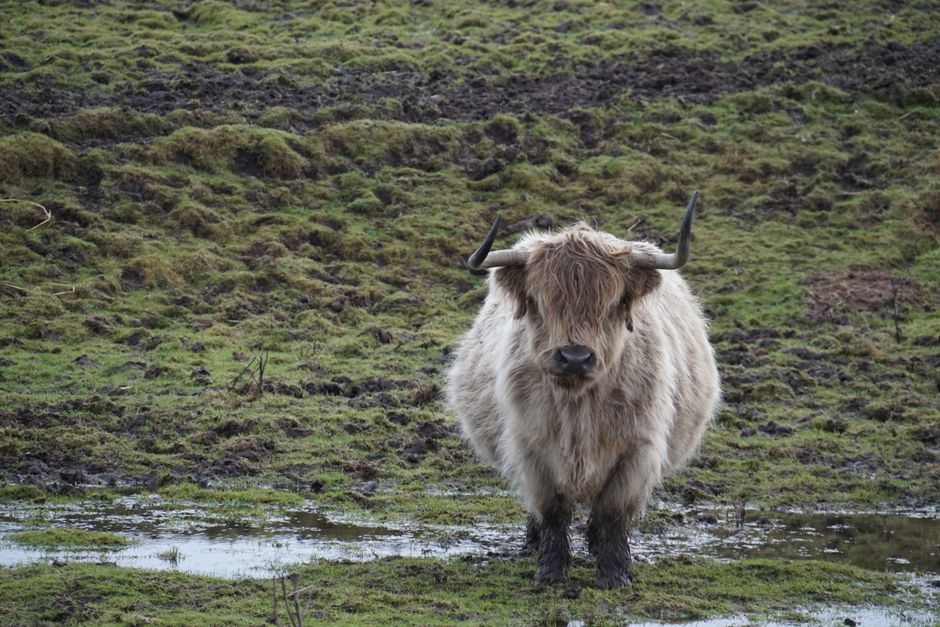
In these regions, “tanks” are often not the shiny metal structures you might imagine. Instead, they are frequently stagnant, manure-infested holes in the ground. We’ve seen hikers describe these sources as “vile,” often containing floating organic matter, high sediment levels, and a distinct odor of cattle. Without a high-quality CDT trail water purifier, these sources are breeding grounds for pathogens like Giardia lamblia and Cryptosporidium.
Giardia is a common nemesis for thru-hikers. Even in “clear” water at 10,000 feet, the risk of agricultural runoff or wildlife contamination remains. Many experienced hikers have had to take weeks off the trail to recover from waterborne illnesses. On the CDT, you are also dealing with heavy metals and chemicals in certain mining districts, making a robust filtration strategy essential for your long-term health.
The CDT Trail Water Purifier Selection Criteria
Choosing the right device isn’t just about picking the most popular brand; it’s about matching the tool to the environment. For the CDT, we recommend focusing on these four pillars:
- Flow Rate: When you are “cameling up” (drinking as much as possible at the source) to prepare for a 20-mile dry stretch, you don’t want to spend an hour squeezing a clogged filter. A high flow rate (2-3 liters per minute) is ideal.
- Pore Size: Look for an “absolute” micron rating. A 0.1-micron absolute filter will catch 99.9% of bacteria and protozoa. Avoid “nominal” ratings, which are less consistent.
- Weight: Every ounce matters when you’re climbing 14,000-foot passes. Most thru-hikers aim for a filter weighing between 2 and 4 ounces.
- Durability: The CDT is a gear-killer. Your filter needs to withstand being dropped on granite and handle the high-pressure squeezing required to move silty water through the membrane.
For a deeper dive into what makes a filter trail-worthy, check out our guide on the Top Features to Look for in Portable Water Filters for Hiking.
Choosing Between Filters and Purifiers for the Divide
Understanding the technical difference between a “filter” and a “purifier” is vital for the CDT.
Water Filters (like the Sawyer Squeeze or Platypus QuickDraw) use hollow fiber membranes. These are essentially bundles of tiny tubes with microscopic pores. They are incredibly effective at removing bacteria (E. coli, Salmonella) and protozoa (Giardia, Cryptosporidium). However, the pores are generally too large to stop viruses or dissolved chemicals.
Water Purifiers (like the MSR Guardian or chemical treatments) go a step further by neutralizing viruses. While viruses are rarely a concern in US wilderness areas, they can be a risk in areas with high human impact or specific agricultural runoff.
| Feature | Hollow Fiber Filter | UV/Chemical Purifier |
|---|---|---|
| Removes Bacteria | Yes | Yes |
| Removes Protozoa | Yes | Yes |
| Removes Viruses | No | Yes |
| Wait Time | Instant | 15–30 Minutes |
| Weight | 2–3 oz | 1–5 oz |
Most CDT hikers opt for a hollow fiber filter due to the instant results and lightweight design. If you’re concerned about viruses in high-traffic areas, carrying a small bottle of chlorine dioxide drops as a backup is a smart move. For those who prefer a mechanical approach, Choosing the Right Water Purification Pump for Extended Hikes offers insights into more robust systems.
Optimizing Your CDT Trail Water Purifier Performance
The silt and “scum” of the CDT will challenge even the best CDT trail water purifier. To prevent your 0.1-micron filter from clogging on day three, we suggest the “Bandana Method.”
Before running water through your expensive filter, pre-filter it through a tightly woven bandana or a piece of pantyhose. This removes the “large” chunks—algae, bugs, and heavy silt—that would otherwise lodge deep in your filter’s fibers. This simple step can double the life of your filter on the trail.
Maintenance and Troubleshooting: Preventing Freezing and Clogging
Maintenance is the most overlooked aspect of CDT water safety. A single night of neglect can ruin your gear.

The Danger of Freezing
Hollow fiber filters contain water in their microscopic tubes. If that water freezes, it expands and cracks the fibers. Once cracked, the filter will still allow water to pass through—often with a suspiciously fast flow—but it will no longer be removing pathogens.
Pro Tip: If the temperature is expected to drop below freezing, sleep with your filter in your sleeping bag or keep it in an interior jacket pocket. If you drop your filter on a hard surface or suspect it froze, perform an “integrity test” (if your model allows) or replace it immediately.
Backflushing and Cleaning
To maintain a high flow rate, you must backflush your filter regularly. This involves forcing clean water backward through the filter to dislodge trapped particles.
- Sawyer Squeeze: Use the included syringe to forcefully flush clean water through the “clean” side.
- Platypus QuickDraw: This can be backflushed by shaking the filter in clean water or using a “flip-flush” method with a SmartWater bottle.
If your filter remains clogged, we’ve found that gently tapping it on a hard surface between backflushes can help loosen stubborn sediment. For more detailed care instructions, see our article on How to Maintain Your Filters for Longevity and Performance.
Strategic Water Planning: Carries, Backups, and Sources
Water management on the CDT is a game of math and maps. The general rule of thumb used by many thru-hikers is to carry 1 liter of water for every 5 miles of hiking. However, this must be adjusted for the 100-degree heat of the New Mexico desert or the high-exertion climbs in Colorado.
Navigating Dry Stretches
The CDT is famous for its “water gaps.” In the Bootheel of New Mexico, the Continental Divide Trail Coalition (CDTC) maintains several water caches because natural sources are non-existent for stretches of 15 to 20 miles. In the Great Divide Basin, you may face 30-mile stretches with only “cow-impacted” water available.
The Gila River Exception
Conversely, the Gila River alternate in New Mexico involves over 200 river crossings in just a few days. Here, water is everywhere, but it is silty. You’ll want to look for “seeps” or side springs where the water has been naturally filtered by the earth before it hits the main river channel.
The Importance of a Backup
Never rely on a single device. Filters can break, freeze, or clog beyond repair. We always recommend carrying a backup, such as:
- Aquamira (Chlorine Dioxide): Lightweight and effective against viruses.
- Micropur Tablets: Great for emergency use.
- Boiling: As a last resort, boiling water for at least one minute (three minutes at high altitudes) is 100% effective.
For more strategies on staying hydrated in the wild, read our Tips for Purifying Water in Remote and Wild Areas.
Frequently Asked Questions about CDT Water Treatment
How do I prevent my filter from freezing at high altitudes?
High altitudes on the CDT mean freezing temperatures even in summer. Always keep your filter close to your body. During the day, keep it in a pocket; at night, keep it at the bottom of your sleeping bag. If you leave it in your backpack’s side pocket overnight, assume it is broken.
What is the best way to filter water from a muddy cow trough?
First, look for the “float” or the pipe where the water enters the trough—this is usually the cleanest point. Use a pre-filter (bandana) to catch the heavy sediment. After filtering, consider using a flavor packet (like Mio or True Lemon) to mask the “earthy” taste that filters can’t remove.
How much water should I carry during the 20-mile dry sections?
For a 20-mile stretch, most hikers carry 4 to 5 liters. This allows for roughly 1 liter every 4-5 miles, with a small reserve for cooking dinner or emergency hydration if you’re delayed by weather. Always “camel up” at the source before you start the dry section to save the water in your bottles for the miles ahead.
Conclusion
Successfully navigating the Continental Divide Trail requires more than just physical endurance; it requires a smart, adaptable water strategy. Whether you’re filtering from a pristine Montana stream or a questionable New Mexico cow tank, your CDT trail water purifier is your most important health insurance policy.
By choosing a high-quality filter, maintaining it through regular backflushing, and protecting it from the elements, you ensure your focus stays on the incredible scenery rather than a stomach bug. Stay safe, stay hydrated, and enjoy the journey across the spine of the continent.
For more expert reviews and specialized guides on the latest trail technology, visit our More info about portable water gear services.
